

A fertilizer pass is also a date. In annual row crops the date is usually described with one of four names: fall, spring, sidedress, or at plant. The names are about when the pass sits relative to harvest and to planting, not about a single month on the calendar. October in the northern Corn Belt and December farther south can both be "fall." What the word marks is the window, and the window changes what the nutrient does while it waits for the crop.
Fall
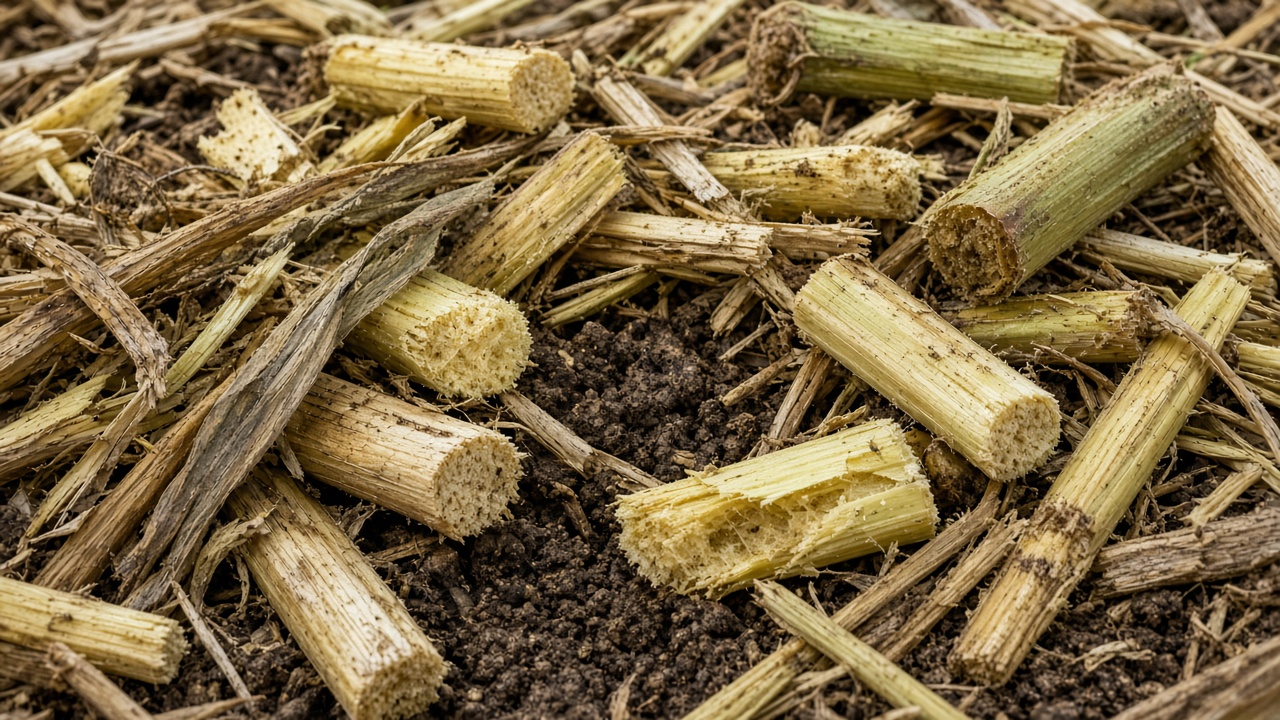
Fall application is after the previous crop is off and before the ground freezes or gets too wet to travel. Phosphorus and potassium are often applied then, because they largely stay where they are placed and the spreader is not competing with planting. Nitrogen is also applied in the fall in some regions, usually as anhydrous ammonia, and usually once the soil at the depth of the band has gone cold, a line often drawn at about 50 degrees Fahrenheit. The cold slows the conversion of ammonium to nitrate, which is the form that moves with water. A fall nitrogen pass on warm soil spends more of the winter as nitrate.
The field in this window is bare, or in cover. There is no crop canopy to sense. A map for a fall pass is a map-based file. The prescription has to exist before the tender is loaded.
Spring
Spring, in this vocabulary, means before planting and not with the planter. It is also called preplant. The product can be broadcast and incorporated, broadcast on the surface, or injected. The wait until the crop is using water and nutrients is shorter than it is in the fall, and the ground can be wetter, which limits the days the spreader can travel. A spring nitrogen pass and a spring phosphorus pass can be the same trip only when they are the same product or a blend the machine can vary as one.
At plant
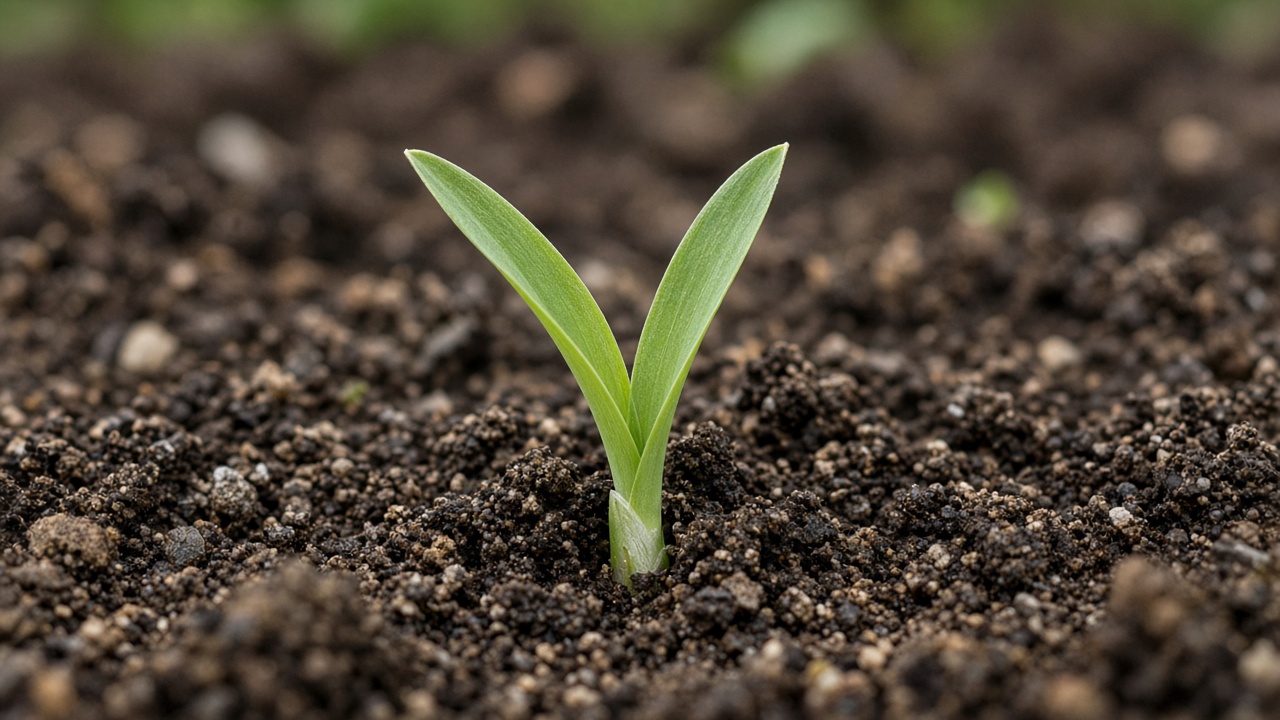
At plant means the fertilizer is metered by the planter. Starter is the common case. Placement has its own names. In-furrow puts a small amount in the seed trench. A 2 by 2 band places the product about two inches to the side of the seed and two inches below it. The rate is limited by what can sit near the seed without injuring it, which is a property of the product and the placement, not only of the field. Some planters vary that rate from a prescription as they go. The pass is still "at plant" whether the rate is flat or variable.
Sidedress
Sidedress is a pass after the crop is up, placed beside the row. In corn it is often between the early vegetative stages, when the plants are established and before they take up the largest share of their nitrogen. The machine is a toolbar, a high-clearance sprayer with drop tubes, or a similar tool that can drive the rows. This is the window where a canopy sensor can see a crop. It is also a window that closes: the crop gets too tall, or the nitrogen arrives after the uptake it was meant to meet.
These four names are the time half of the 4Rs. A variable rate fertilizer file is written for one of them. The same field can carry a fall phosphorus map, a spring nitrogen map, and a sidedress nitrogen map, and they are three passes, three dates, and often three patterns.